Assistance Networks Powering Seamless Deposit Transitions and Unified Promotional Campaigns on Handheld Gaming Platforms
Ines Beck · Nov 5, 2026
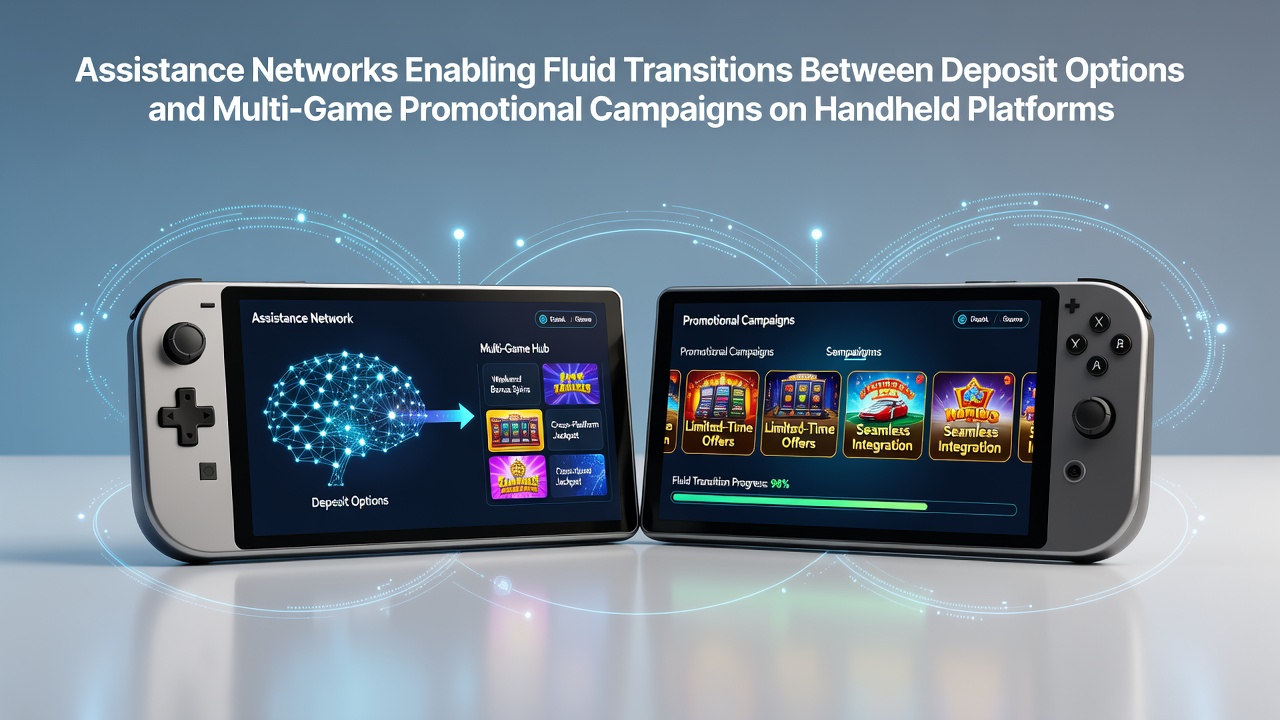
Assistance Networks Powering Seamless Deposit Transitions and Unified Promotional Campaigns on Handheld Gaming Platforms
Assistance networks have developed into core infrastructure that connects deposit management tools with promotional systems across handheld platforms, allowing users to move between payment methods without interrupting ongoing campaigns that span multiple game categories. Data from industry reports indicate that these networks handle thousands of simultaneous queries each hour, routing requests through automated systems and live agents who maintain continuity for bonuses tied to slots, table games, and sports markets on the same device.
Core Functions of Assistance Networks in Mobile Environments
Support frameworks operate through integrated chat interfaces and backend APIs that sync user accounts in real time, so changes to deposit preferences trigger automatic updates to eligibility trackers for multi-game offers. Researchers at academic institutions have documented how these connections reduce session interruptions by linking payment gateways directly to bonus ledgers, which means a shift from one e-wallet to another preserves accumulated progress across different titles without manual intervention from players.
Industry organizations such as the American Gaming Association track how network uptime metrics influence player retention, showing consistent performance when assistance tools coordinate deposit flows with promotional rules that apply across handheld sessions. Observers note that the architecture relies on standardized protocols allowing instant verification, which prevents common mismatches between funding sources and active campaigns.
Fluid Transitions Between Deposit Options
Payment ecosystems on handheld devices now embed assistance protocols that guide users through option changes while preserving campaign status, using algorithms that detect account balances and pending bonuses before confirming any switch. Figures from regulatory bodies in North America reveal that platforms employing these protocols report fewer declined transactions, because support layers validate compatibility between the new deposit method and existing promotional terms in a single workflow.
Those who monitor transaction logs find that fluid transitions depend on layered verification steps, where an initial automated check hands off to human oversight only for complex cases involving cross-border funding or high-value promotions. This process maintains momentum for users who alternate between bank transfers, digital wallets, and card options during extended mobile sessions.
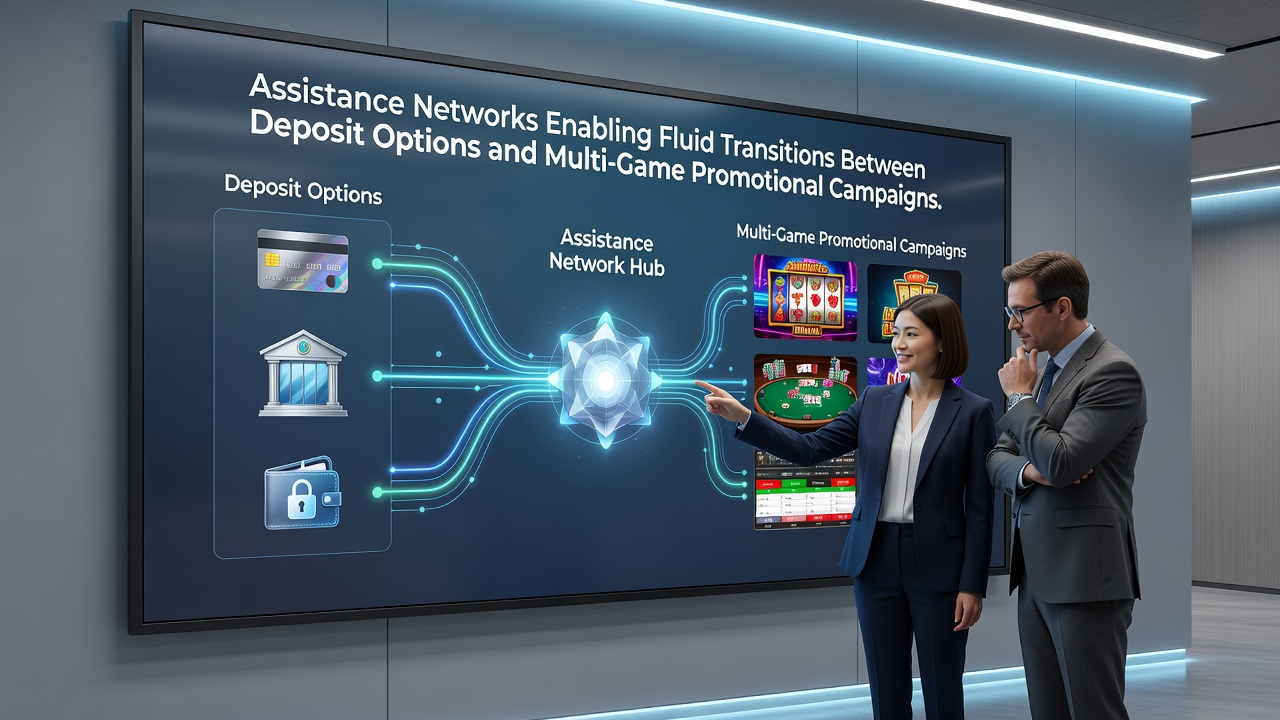
Coordination of Multi-Game Promotional Campaigns
Promotional engines tie deposit activity to rewards that activate across game portfolios, and assistance networks serve as the bridge ensuring updates propagate correctly when players modify funding preferences mid-campaign. Studies from research centers in Europe and Australia demonstrate that unified tracking systems cut down on disputes by logging every deposit shift against the original bonus conditions, creating an auditable trail that covers slots through to live dealer tables and betting markets.
Updates scheduled for November 2026 in several jurisdictions will require enhanced reporting on how these networks manage promotional integrity during deposit changes, prompting operators to refine their assistance protocols ahead of compliance deadlines. Evidence from platform analytics shows that campaigns spanning multiple game types benefit most when support tools automatically recalculate wagering requirements after each payment adjustment.
Technical Integration on Handheld Platforms
Handheld applications incorporate assistance modules that operate within the same environment as gameplay and payment interfaces, enabling seamless data exchange between deposit processors and promotional databases. Developers have implemented push notifications and in-app guides that walk users through transitions while highlighting how each step affects active multi-game offers, reducing the need for external support tickets.
Technical evaluations conducted by trade associations highlight that latency in these integrated systems averages under two seconds for most deposit switches, supporting continuous engagement with campaigns that reward activity across varied titles. The architecture uses encrypted channels to protect account details during these operations, maintaining security standards that align with broader payment regulations.
Conclusion
Assistance networks continue to evolve as the connective tissue between deposit flexibility and multi-game promotional structures on handheld platforms, with ongoing refinements driven by regulatory timelines and performance data. These systems demonstrate measurable impacts on transaction success rates and campaign continuity through coordinated backend processes that operate across regions and device types.