Integrating Reward Systems with Financial Networks to Enable Seamless Shifts in Mobile Wagering Formats
Ines Beck · Aug 26, 2026
Integrating Reward Systems with Financial Networks to Enable Seamless Shifts in Mobile Wagering Formats
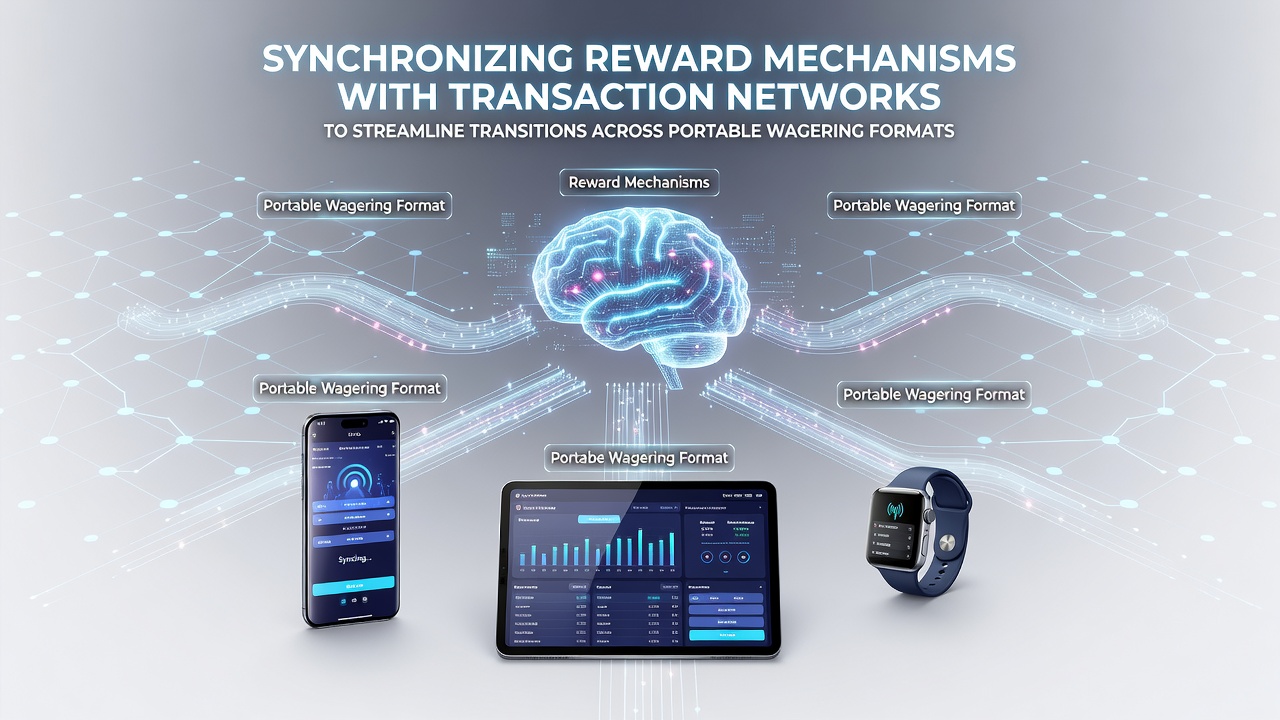
Portable wagering formats now span slots, sports betting, and live dealer sessions on smartphones and tablets, and operators have turned to synchronized reward mechanisms paired with transaction networks to reduce friction during format switches. Data from industry reports indicate that unified systems allow players to carry loyalty balances and bonus credits across game types without separate logins or manual transfers, and this approach has gained traction as mobile traffic accounts for over 70 percent of total wagering volume in several regulated markets.
How Reward Synchronization Works with Payment Infrastructure
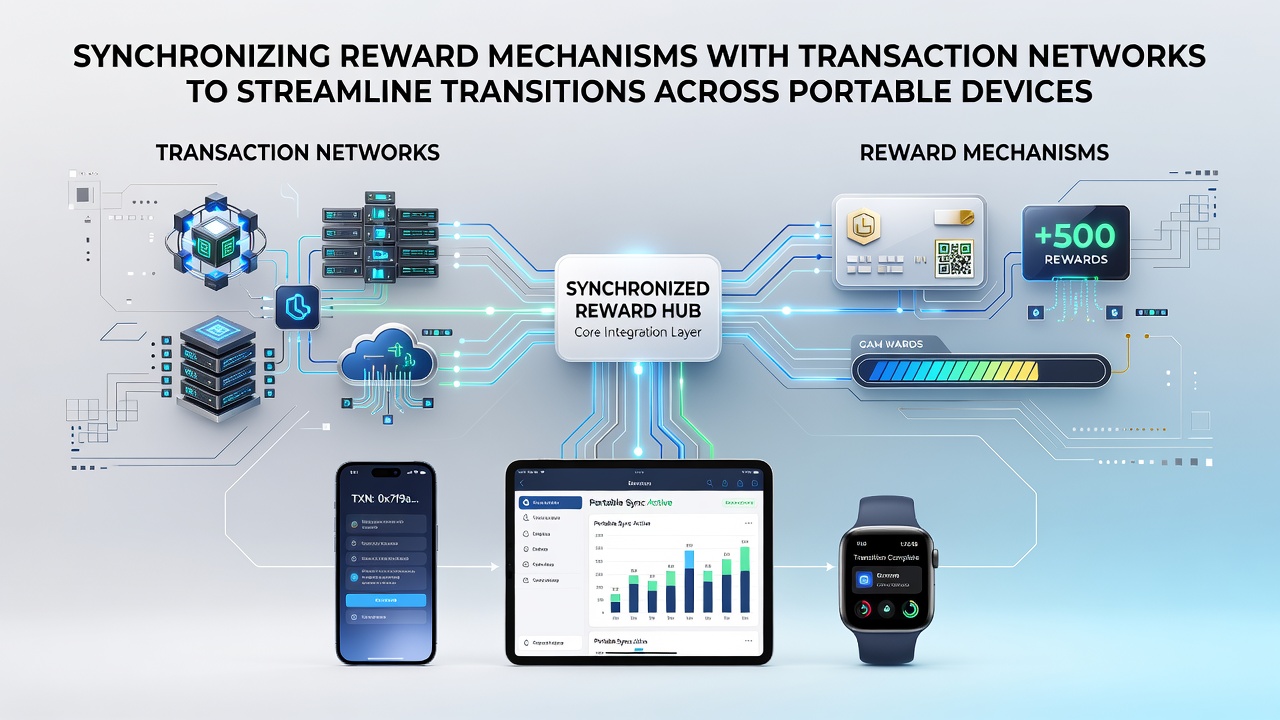
Modern platforms connect loyalty engines directly to payment gateways so that points earned on one format convert automatically when a user moves to another. Researchers at academic institutions have documented cases where real-time API links update player accounts within seconds of a transaction, and this eliminates the delays that once occurred when rewards sat in isolated silos. Transaction networks handle deposits, gameplay stakes, and withdrawals in a single flow while reward ledgers track progress toward tier benefits or cashback offers.
Studies from North American gaming associations show that operators using these integrated setups report fewer abandoned sessions during cross-format movement. The process typically involves a central database that flags eligible rewards at the moment of a payment request, then applies them before the next game loads. Those who have examined implementation logs note that encryption standards and tokenization keep both financial data and reward histories secure across devices.
Examples from Regulated Markets
Take one jurisdiction in Canada where provincial regulators approved synchronized systems in 2024; operators there linked slot rewards to sports betting wallets so that free spins converted into betting credits without additional verification steps. Similar patterns appear in Australian state frameworks, where data from the past two years indicate reduced support tickets related to reward transfers after networks were aligned. European trade groups have published summaries showing that platforms adopting unified ledgers saw average session lengths increase when players moved between live tables and mobile slots.
Technical Elements Supporting Fluid Transitions
Payment gateways now incorporate event triggers that notify reward engines whenever a deposit clears or a stake settles, and this allows instant credit adjustments. Observers note that cloud-based ledgers handle the volume spikes during major sporting events while maintaining consistency across portable formats. August 2026 marks the scheduled rollout of updated interoperability standards in several US states, which will require operators to demonstrate that reward balances remain accessible when users switch between regulated mobile apps and browser-based versions.
Industry analyses reveal that multi-factor authentication tied to transaction networks also protects reward accounts, preventing unauthorized transfers during format changes. Academic papers on gaming technology describe how machine learning models predict likely format switches based on player history and pre-load relevant reward offers, further smoothing the experience without manual intervention.
Regulatory and Operational Considerations
Government agencies in different regions, including the Nevada Gaming Control Board and Malta's gaming authority, have issued guidance requiring clear audit trails for both financial transactions and reward movements. These rules ensure that synchronized systems maintain compliance when players cross between formats that carry different tax or reporting obligations. Trade organizations such as the European Gaming and Betting Association have compiled case studies demonstrating that aligned networks reduce reconciliation errors by up to 40 percent compared with legacy separate systems.
Operators must still segment player funds according to local rules even when rewards flow freely, and this separation occurs at the database level while the user interface presents a unified balance. Reports from research institutions indicate that ongoing testing in pilot programs continues to refine latency thresholds so that transitions remain under two seconds in most network conditions.
Conclusion
Coordinated reward mechanisms and transaction networks have become standard infrastructure in portable wagering environments because they support uninterrupted movement between formats while preserving compliance and security requirements. Figures from multiple regulatory sources show continued adoption as operators prepare for the 2026 interoperability deadlines, and the technical frameworks already in place provide the foundation for further refinements in cross-platform functionality.