Transaction Network Analysis Reveals Reward Structures in Mobile Multi-Game Platforms
Ines Beck · Oct 22, 2026
Transaction Network Analysis Reveals Reward Structures in Mobile Multi-Game Platforms
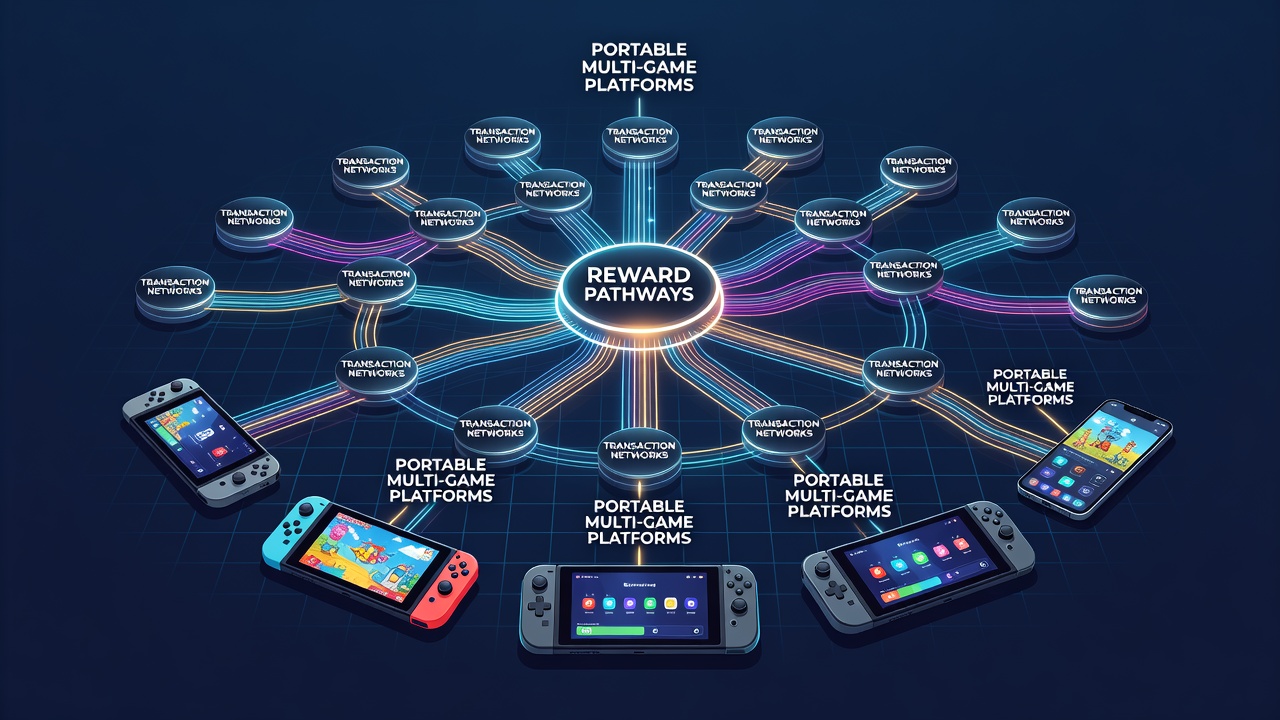
Data from portable multi-game platforms shows how transaction records create detailed maps of reward distribution across different game types, and analysts use network modeling techniques to trace these patterns through user activity logs. Researchers at institutions like the University of Las Vegas have examined aggregated datasets to identify connections between deposit sequences, bonus triggers, and cross-game engagement metrics, while studies published in 2025 highlight the role of graph theory in visualizing these flows.
Network Modeling Techniques Applied to Gaming Transactions
Transaction networks treat each payment or reward event as a node connected by edges that represent timing, amount, and game category, and this approach allows observers to detect clusters where players move rewards from one title to another within the same ecosystem. Software tools process millions of records daily, applying algorithms that calculate centrality measures to determine which games serve as entry points and which function as retention hubs. Evidence from North American platform operators indicates that slot-style games often act as high-volume nodes while live dealer options create longer session chains when linked through shared wallets.
October 2026 brought new reporting standards from the Nevada Gaming Control Board that require operators to submit anonymized transaction graphs for review, and these requirements build on earlier frameworks established in other jurisdictions. Analysts note that such data reveals how progressive jackpot systems pull funds from multiple game categories into single prize pools, creating observable reward pathways that span table games, instant win features, and sports betting modules.
Cross-Platform Reward Distribution Patterns
Portable devices enable seamless movement between game modes, and transaction logs capture every shift in balance caused by deposits, wins, or promotional credits. Studies conducted by the Canadian Centre for Gaming Research found that reward pathways frequently follow predictable sequences where initial deposits into sportsbooks feed into casino sections during the same session. Network visualizations display these movements as directed graphs, with thicker edges indicating higher transaction volumes between specific game pairs.

Payment gateway integrations play a central role because instant deposit methods reduce friction and increase the frequency of cross-game transfers. Data compiled by the Singaporean Gambling Regulatory Authority shows that platforms offering unified wallets record 30 percent more inter-game transactions than those requiring separate funding steps for each category. These patterns help developers adjust bonus structures so that rewards earned in one area encourage activity elsewhere.
Data Sources and Regulatory Context
Government agencies outside the UK have begun requiring transparency around transaction analytics, and the Federal Trade Commission issued updated guidelines in early 2026 on disclosure of reward mechanics in digital entertainment apps. Academic teams continue to publish findings that link network density to player retention rates, with one report from an Australian research consortium demonstrating how dense transaction clusters correlate with longer platform tenure.
Industry groups such as the World Lottery Association have compiled comparative datasets across regions, and these resources allow analysts to benchmark reward pathway efficiency between different regulatory environments. The patterns observed in October 2026 data releases suggest continued growth in multi-game integration as operators respond to player preferences for unified experiences.
Conclusion
Mapping reward pathways through transaction networks provides operators and regulators with concrete tools for understanding player movement across portable multi-game platforms, and ongoing data collection efforts in multiple countries support further refinement of these analytical methods. The combination of graph-based modeling and regulatory reporting creates a clearer picture of how rewards flow between game types while maintaining focus on verifiable transaction records rather than individual behavior predictions.