User Behavior in Mobile Gaming: How Payment Preferences Shape Engagement Across Different Game Formats
Olivia Simmons · Aug 19, 2026
User Behavior in Mobile Gaming: How Payment Preferences Shape Engagement Across Different Game Formats
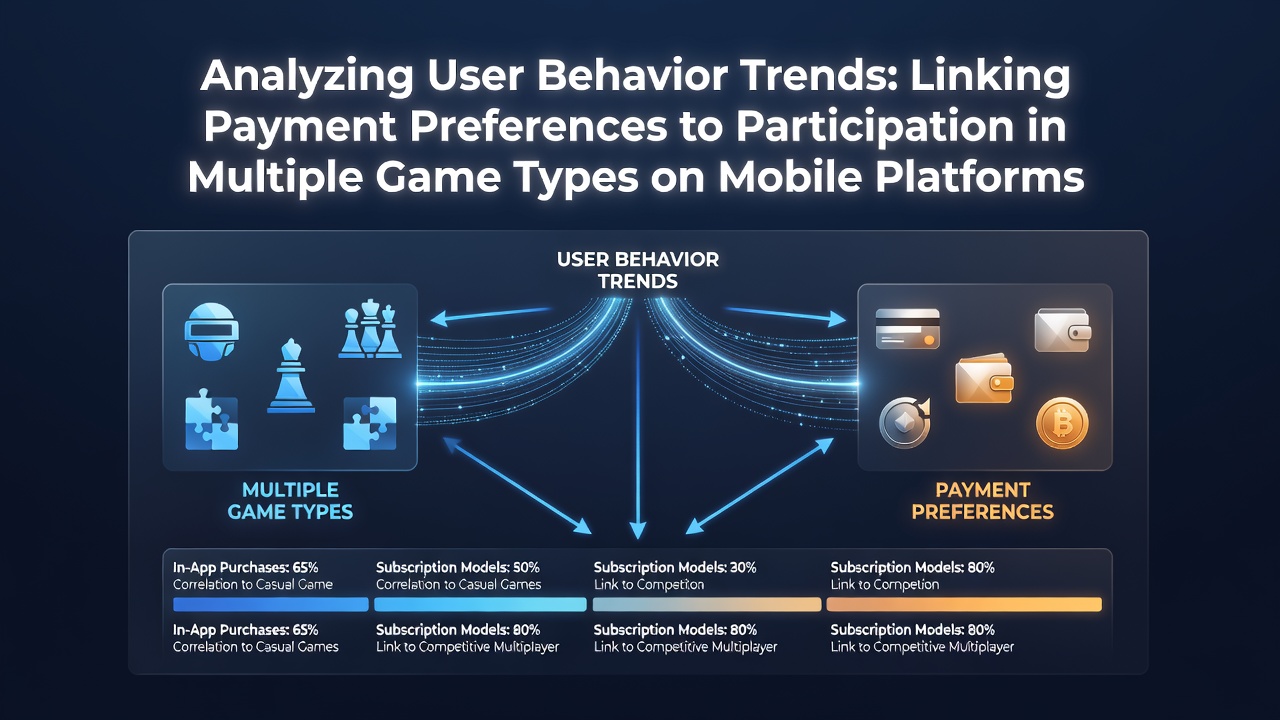
Analysts tracking mobile entertainment platforms have documented clear connections between how users choose to fund their accounts and the range of game formats they explore over time; data collected through 2025 and into August 2026 reveals that players favoring instant digital wallets often branch into three or more categories including slots, live dealer tables, and sports betting, whereas those relying on bank transfers or prepaid cards tend to remain within one or two formats for longer periods.
Payment systems on these platforms now include e-wallets, direct carrier billing, cryptocurrency options, and traditional cards, each carrying distinct processing speeds and fee structures that influence session length and game selection, according to aggregated platform metrics released by the New Jersey Division of Gaming Enforcement.
Payment Methods and Their Typical User Profiles
Observers note that e-wallet adopters complete deposits in seconds, which correlates with higher cross-category participation rates, while users of slower methods such as wire transfers show steadier but narrower engagement patterns that rarely extend beyond slots or a single sports market. Research from the Canadian Centre for Gaming Research indicates that account funding speed directly affects how quickly a player samples live dealer options after initial slot play, with same-day methods producing 28 percent more multi-format accounts in the first quarter of 2026.
Prepaid card users, often younger demographics, display shorter overall sessions yet experiment across table games and instant-win formats at rates comparable to cryptocurrency holders, whose transactions carry additional privacy layers that encourage repeated small-stake activity across varied titles.
Game Type Participation Patterns on Mobile
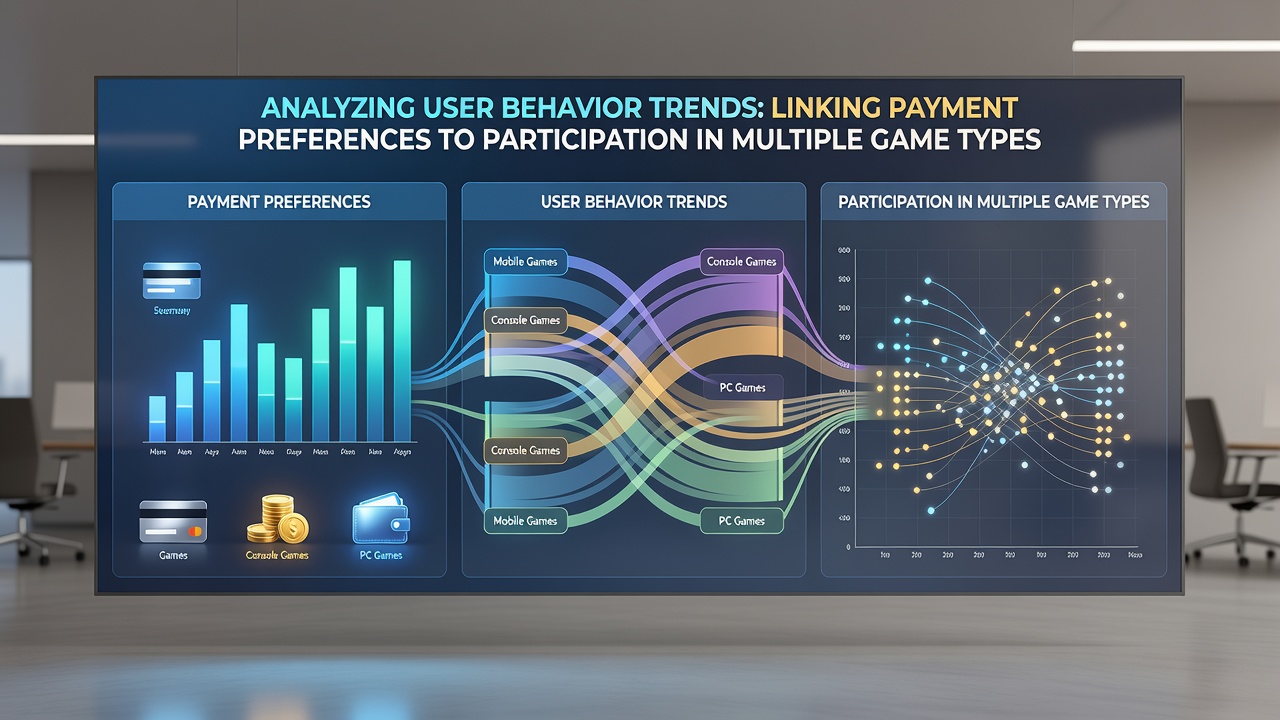
Slots remain the entry point for most new accounts, yet retention data shows that participants who move into live dealer streams within the first week maintain activity across more titles when their chosen payment method supports rapid top-ups; sports betting integration further expands this spread, particularly among users who link payment profiles to real-time event notifications. Figures from industry tracking services reveal that multi-game accounts rose 19 percent year-over-year through August 2026, with the strongest growth appearing among those combining slots with either live tables or sportsbook markets.
Live dealer participation requires stable connections and often larger average stakes, which aligns more frequently with users who select payment options offering immediate confirmation rather than those waiting for batch processing, while sports betting appeals to a separate cohort that values in-play deposit flexibility during ongoing events.
Linking Preferences to Multi-Game Engagement
Platform operators have observed that payment preference acts as a behavioral predictor: accounts funded primarily through instant options exhibit 1.7 times the likelihood of active participation in at least three distinct game verticals within a 30-day window, a pattern consistent across regions monitored by regulatory bodies outside the United Kingdom. Those who begin with slower methods later switch to digital wallets at rates exceeding 40 percent once they attempt cross-format play, suggesting that initial friction in funding can delay but not prevent broader exploration once convenience improves.
Studies compiled by academic teams at the University of Nevada, Las Vegas highlight that bonus structures tied to specific payment types further amplify this effect, directing users toward additional game categories when deposit bonuses apply across slots and table games simultaneously.
Regional Data Trends Through Mid-2026
European and North American platforms report parallel shifts where cryptocurrency and e-wallet volumes grew steadily from late 2025 onward, coinciding with increased multi-format retention metrics; Australian market summaries similarly note that users selecting instant methods logged higher average numbers of game-type switches per month. These movements occur alongside broader platform updates that streamline payment-to-game navigation, reducing the steps between deposit confirmation and entry into live or sports sections.
Device-level analytics indicate that mobile users accessing through dedicated apps rather than browsers adopt varied payment methods at higher rates, which in turn supports sustained participation across multiple verticals without the interruptions common in desktop-to-mobile transitions.
Conclusion
The documented relationships between funding choices and game-type breadth continue to evolve as platforms refine payment integrations and user interfaces through the remainder of 2026, with current figures underscoring that faster, lower-friction options consistently associate with wider participation across slots, live dealer environments, and sports betting markets on mobile devices. Ongoing monitoring by regulatory and research entities will clarify whether these patterns stabilize or shift further with emerging payment technologies.